






The end of hardware – everything becomes software
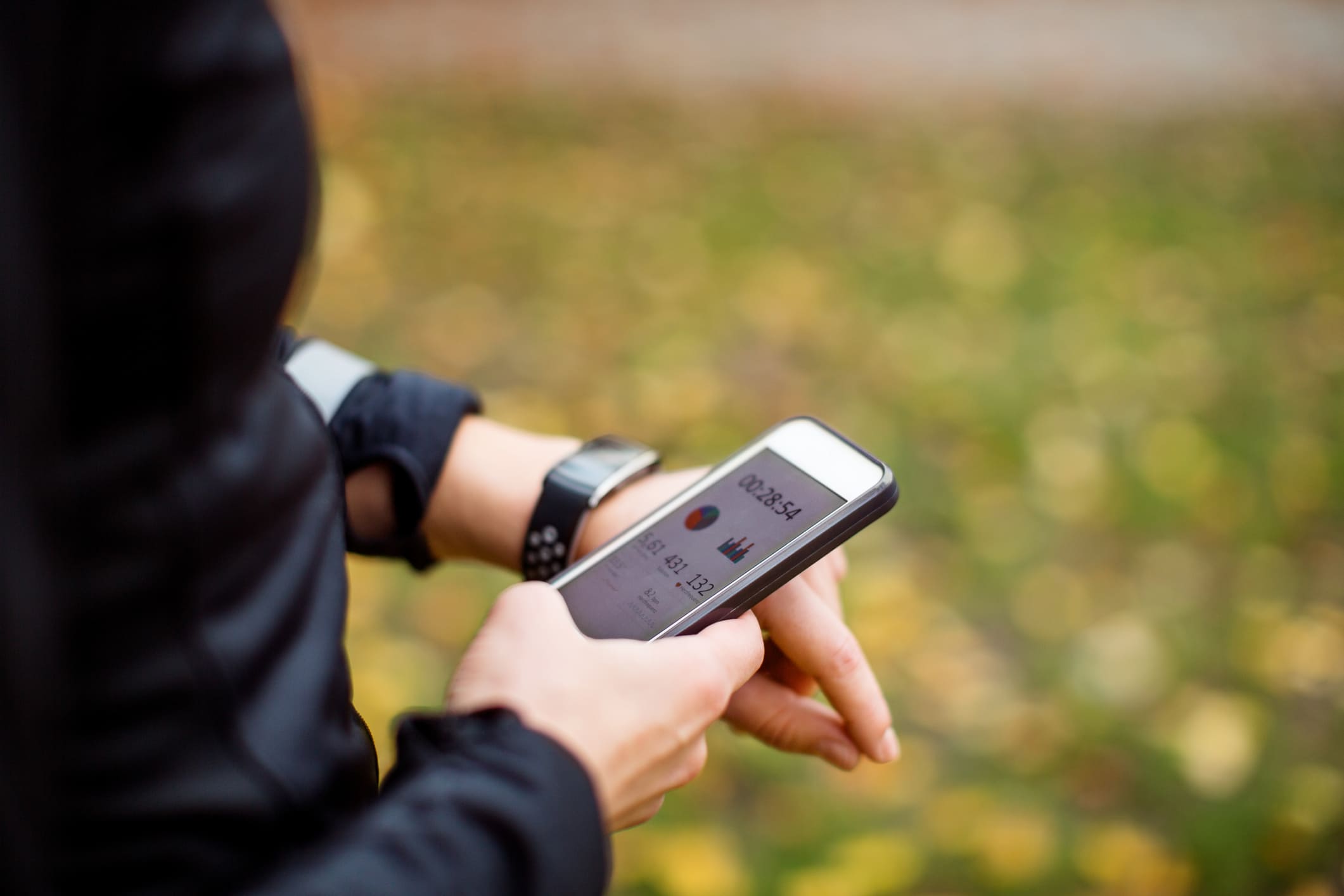
Smartphone penetration has now exceeded 50% in certain major cities, and, as prices decline, widespread adoption is inevitable. There are now more people connected to the internet via a mobile device than via a PC.
What is particularly striking is that smartphones now outperform PCs in many respects : always connected, with contacts, calendars and emails fully synchronised ; Palm devices and other "organisers" have become obsolete. With built in cameras, digital compact cameras are no longer necessary, and with GPS and compasses, there is no longer any need for TomTom or Garmin devices. Smartphones have become true "digital Swiss army knives", with new use cases emerging every day. Single function digital devices are being relegated to the shelves of history. The latest casualty is the handheld gaming console, which is gradually losing ground to smartphones.
Of course, "power users" will not replace their DSLR cameras or Hi Fi systems with an iPhone, but for the vast majority of consumers, the iPhone delivers all the digital services they need. Today, smartphones extend far beyond the iPhone. All manufacturers are intensifying their efforts to compete, and Google, through Android, has ultimately provided a compelling alternative, deployed on reliable and more affordable devices. These players are now shaping the market.
Beyond the success of smartphones, what are the implications for the mobile industry, as well as for consumer electronics and software ? What new opportunities will be available to consumers ?
The end of hardware : everything is becoming software
The increasing integration of components, combined with declining costs, is both a cause and a consequence of the mass adoption of electronic products. This trend has been observed since the 1990s in the personal computing market and since the 2000s in the mobile phone market.
Today, even entry level mobile devices feature touchscreens, cameras and multimedia players. It is now common to find mobile phones with the computing power of high end computers from five to six years ago, combined with high speed connectivity, GPS, accelerometers and TV output. These technologies, once very expensive, are enabling new use cases that are not always immediately obvious :
What can you do with an accelerometer ? Not so much measure the acceleration of your new car, but rather detect the orientation of the device. This opens up new possibilities, particularly in gaming, turning the smartphone into a motion sensitive controller, much like what drove the success of the Wii.
And what about the touchscreen, is it really useful for making calls ? Not particularly ; however, through Wi Fi connectivity, it becomes a universal remote control, capable of managing your multimedia PC from your sofa, displaying your playlists and providing the controls you need. Combine these features, and you can even fly a remote controlled helicopter.
And GPS, what is it for ? Everyone already has one in their car, it was the must have device of 2008, right ? Yes, but permanent internet connectivity enables community driven applications. Not only can you see if a friend is sitting in the same café, but also whether a speed camera has been reported on your route.
A camera ? To create works of art ? Or rather to scan barcodes, business cards, detect movement, or capture the surrounding environment, paving the way for location recognition. More importantly, the combination of screen and sensor allows users to instantly share photos taken during the day. It is ephemeral, but engaging.
A compass ? You are not navigating through the wilderness ? Perhaps not, but it allows you to determine the direction in which the device is pointed, making it possible to display a map of the sky and identify the stars you are looking at.
All of this hardware becomes accessible to third parties through the opening of platforms to application developers, giving full meaning to these technological advancements.
It is the combination of robust and technologically mature hardware, an open software development platform, and a revolutionary touch interface that has made the iPhone the most versatile electronic device currently available.
For example, to benefit from a community based speed camera alert system, it was previously necessary to purchase a dedicated device, the first models were sold for €700, and pay a subscription covering both connectivity and the service. A universal remote control costs more than €300. The equivalent application on iPod touch, iPhone or Android is free. Today, every smartphone owner already has the required hardware, and only needs to access the desired service through an app store. Once again, these use cases have only been made possible by the emergence of an "always on" model : the price per megabit of data has dropped from €3 to €0.5 with the launch of the iPhone.
Just as the PC put an end to specialised hardware in industrial automation, the smartphone has shifted the focus from hardware to software : the hardware is already there, all that remains is to design the software and services to leverage it.
In this regard, Apple’s communication strategy is particularly illustrative of this shift : iPod touch advertising, originally centred on a music player, now focuses on gaming, while most of Apple’s communications, notably its keynote presentations, emphasise software and ecosystem partners.
The level of creativity enabled by this evolution is remarkable : by combining the camera, GPS, internet connectivity, an accelerometer and a compass, it is possible to go far beyond traditional use cases. Augmented reality becomes achievable : the screen displays a live view of your surroundings, while the smartphone, aware of your location and orientation, overlays contextual information such as monument names or nearby restaurants.
Even the US Army uses iPhones to calculate bullet trajectories, as translation tools, and to display images transmitted by drones. Many service providers have abandoned the production of dedicated hardware and now focus solely on adapting the software layer of existing devices.
In the near future, in car infotainment systems and radios, currently built on proprietary and non connected hardware and software, will evolve into embedded "smartphones", capable of streaming music and video on demand, not to mention real time traffic information. Aircraft entertainment systems will follow the same trajectory (this is already partially the case with Windows CE, the precursor of modern mobile operating systems).
Just as computers are now everywhere, tomorrow "smartphones" will be everywhere, and not all of them will be used for making calls.
Morand Studer