







Viva Technology 2022 : key takeaways from Europe’s leading tech event

From June 15 to 18, the 6th edition of Viva Technology 2022 took place in Paris at Porte de Versailles. After four days at the event, we are ready to share our key takeaways on the tech landscape and the major trends identified by our consultants.
VivaTech represents 40,000 square metres entirely dedicated to technology, bringing together more than 1,000 startups, most of them invited by major companies such as Orange and Google.
This innovation focused event enables both professionals and the general public to discover emerging technology players and the key innovation challenges shaping tomorrow’s economy.
To structure our analysis, we focused on three main questions throughout the event :
- What are the major trending themes within the tech ecosystem ?
- What innovation models are traditional companies implementing ?
- From a technological perspective, which building blocks are reaching maturity ?
From customer experience to MedTech : the major themes highlighted at VivaTech 2022
Among the 1,000 startups present at the event, identifying overarching trends is never an easy exercise. Nevertheless, three major themes particularly stood out this year :
Customer experience and immersive technologies
Customer experience remains a longstanding challenge and was already one of the first major applications of digital technologies in the mid 2000s.
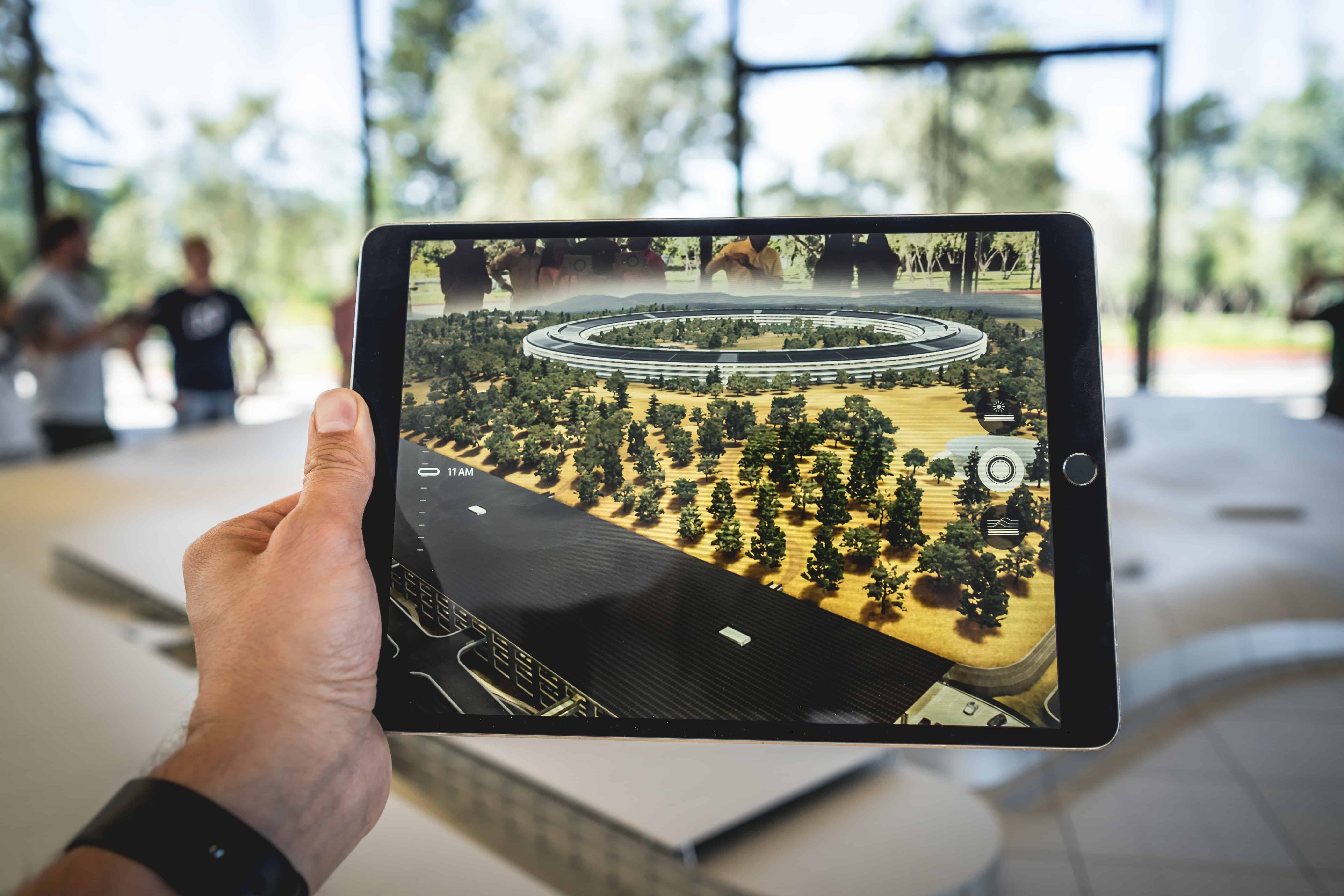
This time, however, advances in augmented reality technologies and the broader ecosystem surrounding them, including NFTs and the metaverse, are renewing use cases in this space.
One example is SkyBoy, whose cinematic quality virtual reality technology enables brands such as Lancôme, Galeries Lafayette and Paris Opera to showcase their universe through immersive experiences.
Unsurprisingly, luxury players such as LVMH are also actively positioning themselves around these technologies.
CSR and ESG topics
CSR and ESG challenges have become major societal priorities, and the companies present at the event clearly reflected this evolution.
Among major technology players, CSR and ESG strategies now occupy a prominent place. The same trend can be observed among large corporations such as AXA, Air Liquide and Orange, all of which chose to prominently showcase initiatives addressing societal and environmental challenges.
As a result, many of the startups invited by these large groups focus on themes such as sustainability, mental health and financial wellbeing.
Examples include the green and civic innovation initiatives developed by La Poste, as well as What a Bird, a startup specialising in water purification through filtration systems. The company was notably recognised by the French German TechLab, a partnership dedicated to promoting Franco German business collaboration.
MedTech
MedTech has been one of the fastest growing sectors in recent years and remained highly visible during the event, notably through the presence of Sanofi.
Far from slowing down, the sector continues to accelerate, fuelled by increasing volumes of data enabling increasingly sophisticated use cases combining data science and IoT technologies.
This trend is particularly visible through the emergence of numerous startups focused on medical data analysis and generation.
For example, Mama Health developed an emotional support platform enabling patients to share their personal stories. These narratives are then transformed into actionable data helping pharmaceutical companies better understand patient journeys.
Another example is H4D, a pioneer in telemedicine in France, which unveiled its latest clinical teleconsultation booth at the event, designed to “provide healthcare access for everyone, everywhere.”
Startups and cloud ecosystems : the two dominant innovation models among large corporations
Faced with the rise of startups, traditional companies are increasingly implementing structured innovation strategies. Two major approaches stood out during this edition of VivaTech :
Incubation programmes
An increasing number of traditional companies now operate internal or external startup incubation programmes.
As a result, numerous startups were showcased on stands operated by companies such as L'Oréal and BNP Paribas.
Approximately half of these startups focused on GreenTech innovation. Topics ranged from waste management and air quality analysis to carbon footprint measurement for marketing campaigns.
A similar dynamic could be observed at the La Poste stand, which highlighted subsidiaries such as Geoptis, whose objective is to collect air quality data by equipping postal vehicles with sensors.
Partnerships with technology giants
Another widely adopted strategy involves partnerships with major technology players such as Google, Amazon Web Services and Microsoft in order to benefit from technological and operational synergies.
For example, AXA and Microsoft announced ambitions to jointly build an “open healthcare ecosystem” aimed at attracting new insurance players over the long term.
Other notable collaborations include :
- Fnac Darty migrating its data foundation onto Google Cloud
- Dior partnering with Google to create augmented reality customer experiences powered by Google Lens
On the Amazon Web Services side, the event also highlighted increasing collaboration with automotive manufacturers, particularly around connected vehicle technologies.
On the technology side : hardware and software increasingly driven by data
A defining characteristic of Viva Technology 2022 remains the strong presence of hardware innovation designed to inspire and captivate audiences.
Throughout the event, visitors could discover autonomous electric flying taxis, virtual reality headsets, four legged robots developed by Boston Dynamics, and even automated waste collection robots.
Lancôme showcased its latest skin scanning technology, while Air Liquide offered immersive virtual reality tours of its industrial facilities. Robotics and IoT were therefore clearly central themes during this year’s edition.
However, beyond the highly visible aspect of these technologies, another underlying trend stood out : the exponential growth in the volume of collected data, but also in the diversity of data formats being generated.
To address these emerging needs, new specialised players are rapidly appearing. This is notably the case for geospatial data supporting environmental challenges, with companies such as Kayrros, as well as biomarker related technologies within the MedTech ecosystem.
Finally, in response to this data proliferation, scalability challenges related to data processing were also strongly represented throughout the event.
Many organisations are now concentrating their processing capabilities around increasingly standardised frameworks and platforms. Notably, there was significant visibility around centralised AI development solutions such as Dataiku and Databricks.
And what about Eleven ?
At Eleven, our data scientists and consultants are fully aligned with these evolving industry trends and technological challenges.
We support organisations in identifying the most valuable market use cases while helping them navigate increasingly complex technology ecosystems.
Because we combine strategic expertise with hands on technical implementation capabilities, we are able to design and deploy tailored solutions adapted to each client’s specific context and objectives.
Whether the challenge involves identifying the right innovation opportunities, selecting the most relevant technologies or structuring deployment strategies, our teams help organisations transform technological potential into operational value.
Feel free to contact us if you would like to discuss your vision and explore the role technology can play within your organisation.
- Ariel Cohen Codar, Simon Georges-Kot and Julien Lefebvre