







Robotics and computer vision in rare Earth Waste Management : an essential combination
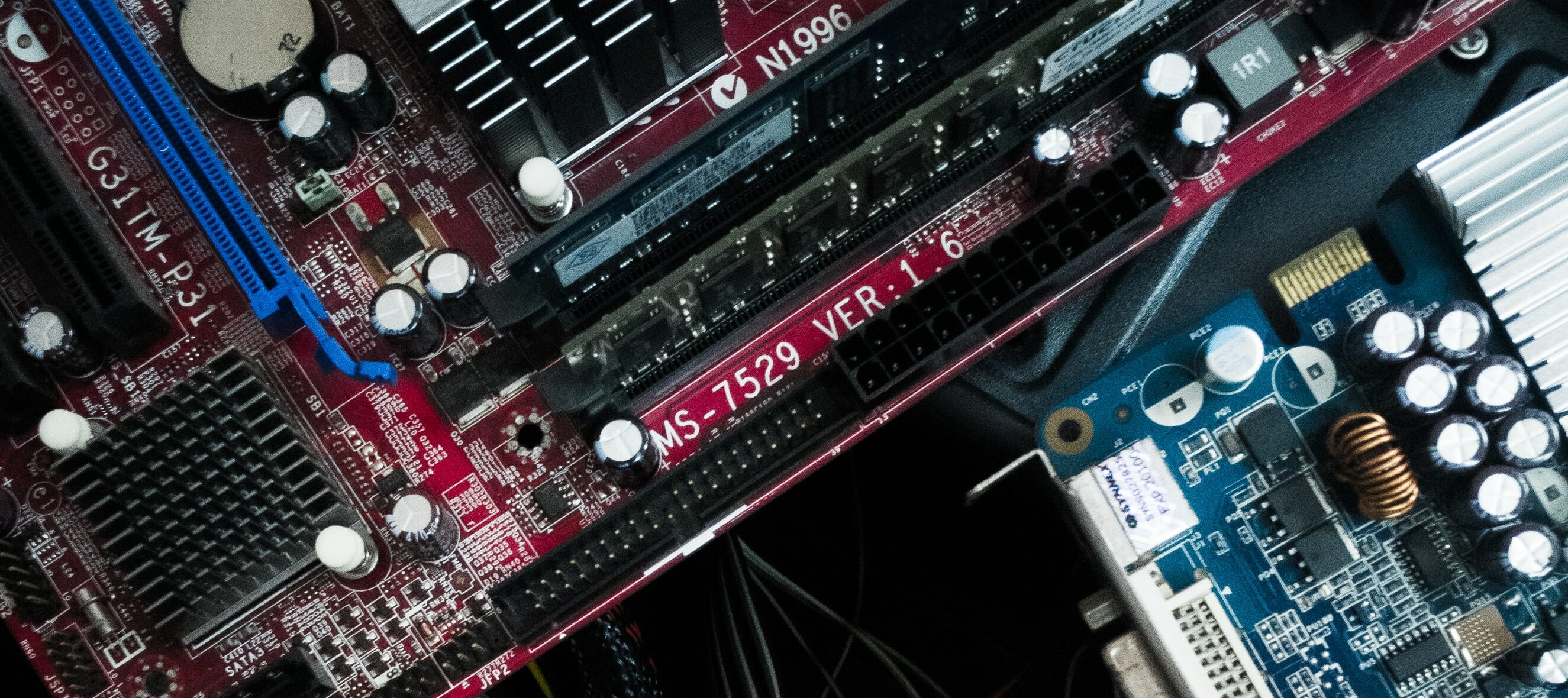
Rare earth elements, strategic materials and invisible key components of the technological revolution since the late twentieth century, are now omnipresent in our daily lives.
Powering smartphones, electric vehicles, data centres and many other everyday technologies, they have become essential to the proper functioning of the global economic engine.
The technological revolution, combined with geopolitical and economic pressures, has generated an insatiable demand for rare earth elements. However, this relentless race for extraction and mining has not come without consequences. Beyond the pollution generated by mining activities, the world has witnessed a dramatic increase in electronic waste over recent decades.
According to the United Nations, the volume of electronic waste doubled between 2005 and 2019, reaching 53.6 million tonnes, with alarming projections of 74 million tonnes by 2030. At the same time, only 20 % of this waste is currently processed and recovered, representing a considerable waste of financial, energy and environmental resources.
This situation has led numerous stakeholders, including institutional actors such as the European Parliament, businesses, associations and civil society, to rethink the current economic model in favour of a more sustainable exploitation of rare earth elements throughout their lifecycle.
This transition will not be simple. Beyond the paradigm shift it requires, it also faces major operational challenges. The complexity of managing and recovering rare earth elements stems from their dispersed presence across a wide range of products, as well as from the technical difficulties associated with extraction, separation and recycling processes.
These elements are often mixed with other materials, making recovery significantly more challenging. Their processing can also be hazardous, involving toxic substances that create substantial health and safety risks. As a result, the advanced technologies required for these operations drive costs even higher.
In response to these challenges, robotics is naturally emerging as a key ally. Specially designed robots can be programmed to dismantle, sort and recycle end of life electronic components efficiently, thereby reducing human exposure to hazardous chemicals.
However, their full potential is truly unlocked when combined with computer vision technologies.
Computer vision is a subfield of Artificial Intelligence and machine learning designed to enable computers to “see” and understand the visual world. Using cameras, these systems capture images, preprocess them to make them interpretable, identify key characteristics such as colour, texture and shape, and then analyse them to recognise objects and make decisions accordingly.
This ability to interpret the surrounding environment enables computer vision systems to answer questions such as “What is in this image ?” or “What action is taking place in this video ?”. The technology is already widely used across industries, from autonomous vehicles detecting hazards, to security surveillance systems identifying suspicious behaviour, automatic fall detection in nursing homes and visitor flow estimation in shopping centres.
In the context of recovering and recycling rare earth elements from waste, computer vision enables robots to “see” and interpret their environment with high precision, significantly reducing errors and risks associated with waste handling.
This technology is already successfully deployed in several waste management facilities across Europe, notably through Recycleye and its Recycleye Vision platform, which uses computer vision to scan and identify mixed waste streams.
Each waste item is classified automatically, optimising machine performance while generating precise composition data. Once identified, robotic sorting systems can then separate materials autonomously, improving recycling rates and enabling more effective recovery of components from electronic waste.
The convergence of robotics and computer vision offers a promising path forward by reducing human and environmental risks, improving waste management efficiency and enabling these raw materials to be reintegrated into production cycles.
However, it is essential to recognise that these technologies only provide a partial response to the consequences of an outdated linear economic model.
We must rethink our approach by anticipating these challenges from the product design phase itself, notably by integrating circularity by design principles. Only a new circular economic model, where products are designed to last and generate little to no waste, will provide a long term solution to the rare earth waste challenge.
As we move towards this transformation, robotics and computer vision will undoubtedly play a central role, but they remain only one piece of the puzzle in building a more sustainable future.